Grand Prize · Virgin Media Shorts
The Black Hole
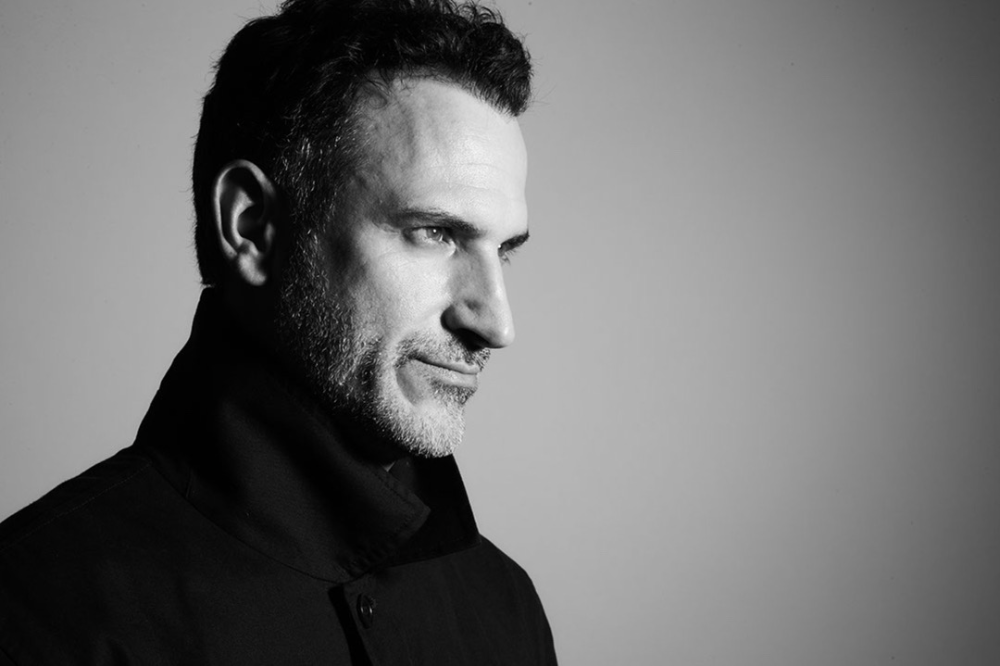
Won the Grand Prize at the inaugural Virgin Media Shorts Awards and has gone on to become a cult classic, with over 30 million views on YouTube alone.
Jonny arrives on Ithaca bruised, broke and £100,000 in debt to the wrong kind of people, fronted by art dealer Eva. His ex, Jane, has invited him to her newly renovated villa built by Blake, her charming, bio-hacking partner, who believes everything can be optimised.
Jonny has come hoping to convince Jane to sell a valuable sculpture they bought when they were together. Jane and Blake reveal they have been trying for a baby, but recently discovered Blake has a near zero sperm count.
Jonny is desperate for money, and Jane doesn't want to raise a stranger's baby, so a deal is struck: Jonny will be the donor and if she conceives, he can settle his debts with the sale of the sculpture.
The plan is rational. Nothing that follows is. A clinical first attempt turns into farce. Sanctioned sex turns into unsanctioned love. Blake's property empire cracks as Eva arrives and the island has its own ideas about who belongs there.
Jonny needs 100K, and comes to Ithaca to take the Egg from Jane. She refuses, so he tries to steal it drunk — and the act ends with him in Blake’s pool, every pretence gone, admitting out loud for the first time that these people are going to kill him.
Blake and Jane’s secret surfaces: he can’t give her the child she wants. Jonny offers himself as the solution, and as the transaction turns into something neither will name, Blake’s serenity begins coming apart from the inside.
Eva arrives on the island with a silencer in her handbag, and Jonny chooses to come back rather than run. Blake’s mask drops completely, and when he tries to drown Jonny in the pool, Jane picks up the Egg — saving his life and choosing him in the same movement.
Directed by Philip Sansom this is his fiction feature film debut. Building on award winning work in feature documentary and short films, this is an exciting opportunity to support his work into the next stage of his career. A completed first scripted feature will open up opportunities to bring forward bigger and more complex projects from this talented filmmaker and production team.
Won the Grand Prize at the inaugural Virgin Media Shorts Awards and has gone on to become a cult classic, with over 30 million views on YouTube alone.
Official selection at Cannes Short Film Corner and LA Shorts Fest, and nominated for Best Film at the Madrid Fashion Film Awards.
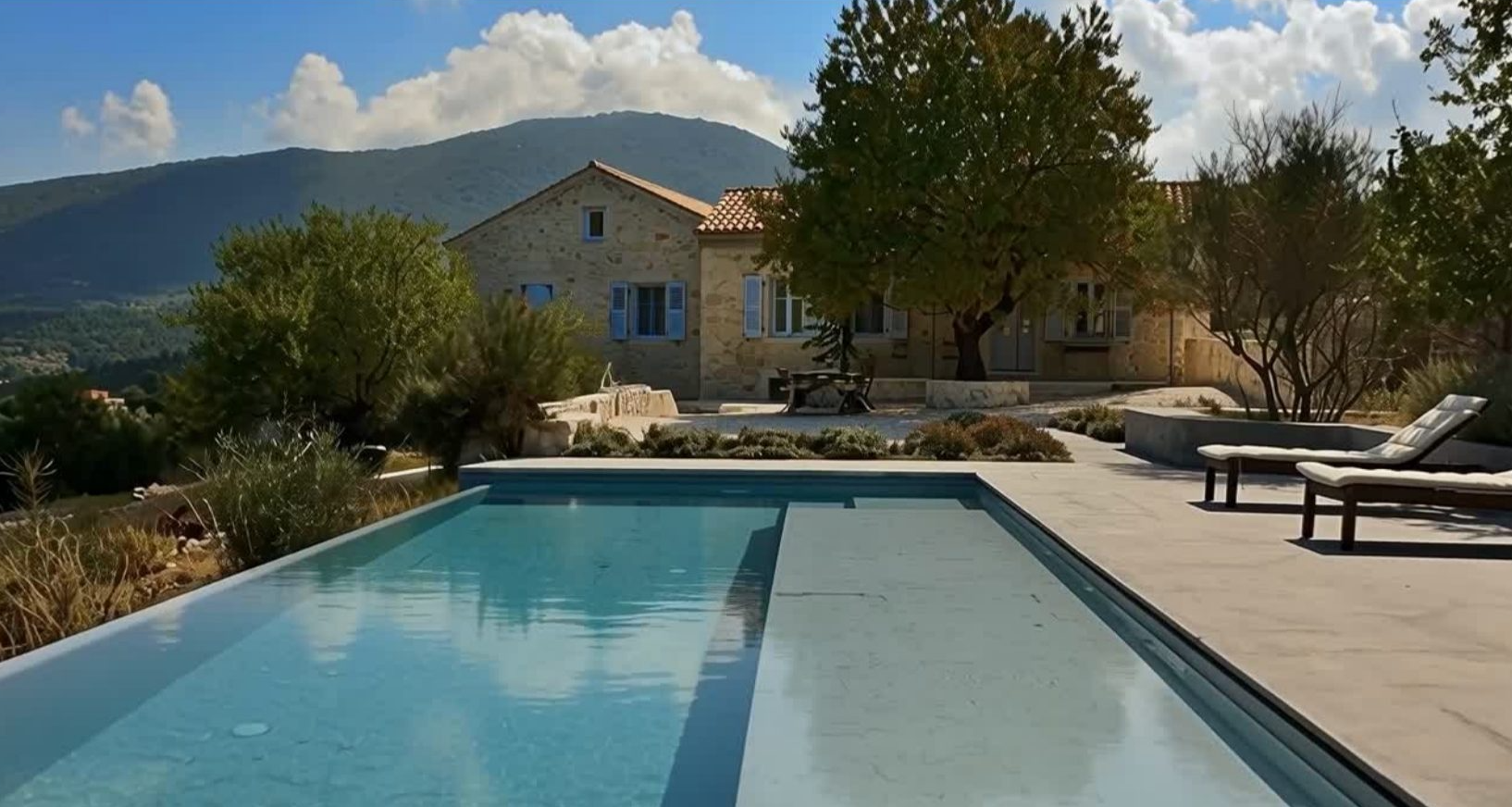
Designed to look like 10 million dollars. We are putting the money on screen by shooting in a stunning island location, using the best natural daylight Europe has to offer. This film has been carefully tailored to use a small shoot footprint and a tight cast, to maximise our output for a breakout debut that is equally at home on both cinema screens and VOD most played lists.
A 24-day shoot around one base on Ithaca. The locations are recced, the schedule is drafted and the local crew are in place.
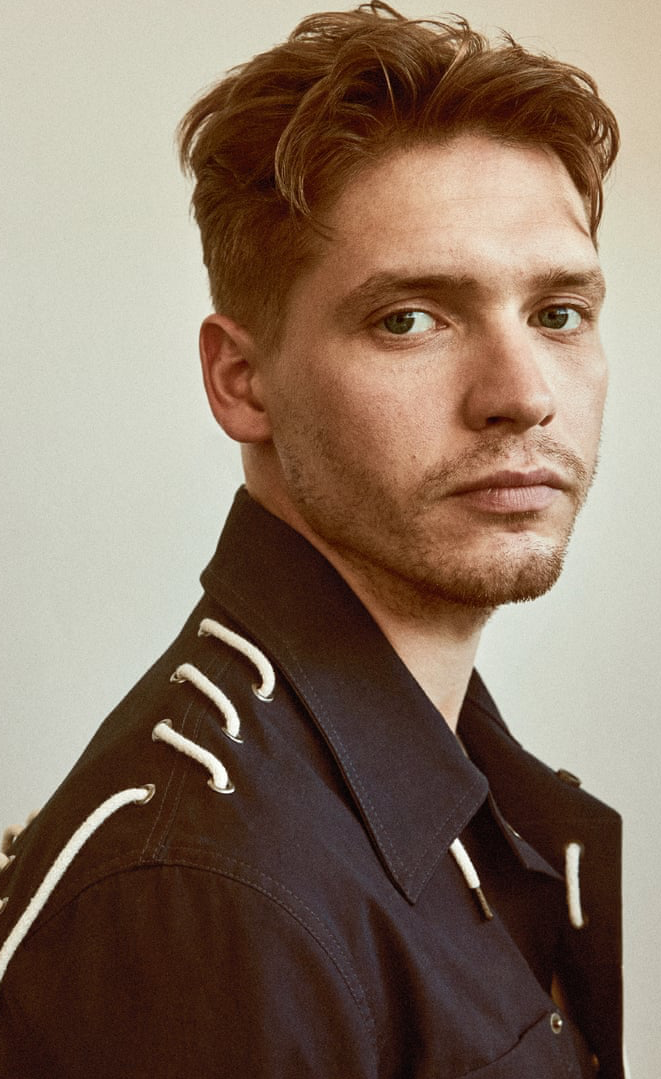
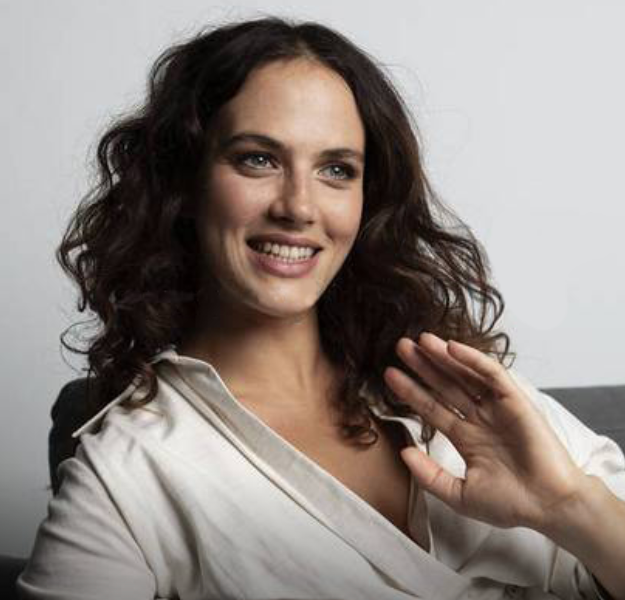
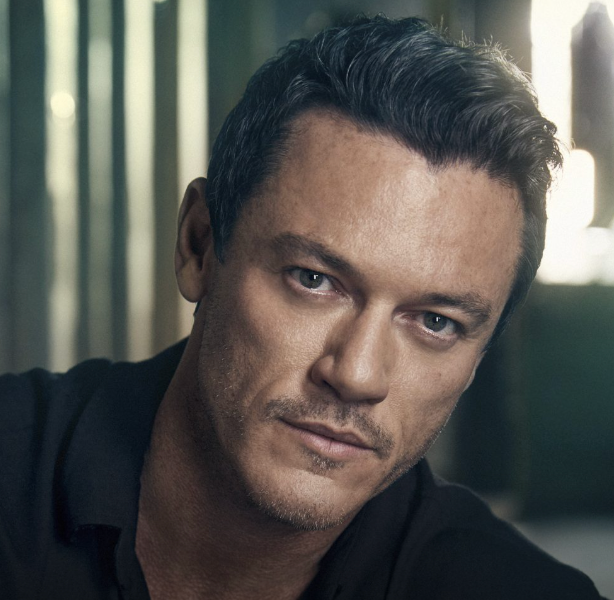
Billy Howle is attached, Luke Evans is interested pending schedule and finance, and Jessica Brown Findlay is a suggested lead for the role of Jane. That gives the sales agents something to take to market.
The UK film tax credit and Greece's 40% cash rebate together cover about 31% of the budget.
Paradise-gone-wrong satire, in the line of Triangle of Sadness and The White Lotus: an elevated, star-led story for an upscale audience.
Strong track-record in award winning feature docs and shorts. Experienced film makers.
Examples of similar film budget and sales:
Comparable figures are worldwide box office.
The Invite shows what this kind of film can do. A star-led, R-rated relationship comedy with one contained setting, it became one of the surprise hits of summer 2026 and drew audiences from every adult age group. Out Of The Blue shares those ingredients, and adds a Greek island, an art-world deal and a thriller edge.
An even spread: 54% under 35 and 46% over, with the over-55s turning out in the same numbers as 18–24s.
A date-night film with stars, sex, money and a sun-soaked setting. The White Lotus and Triangle of Sadness audience, who go out for an event film and talk about it after.
The most loyal audience for independent cinema. Drawn by Luke Evans, a sharp script, the Greek island and the art-world intrigue, in the line of A Bigger Splash and The Talented Mr Ripley.
A provocative premise, a fertility deal and a bio-hacking tech optimiser give the film a hook that travels on social media and draws younger viewers to an adult comedy.
The Invite figures are from Screen Engine/Comscore PostTrak exit polls of the US opening, as reported by Deadline and Variety, and worldwide box office as reported by Deadline in September 2026. They illustrate the audience for comparable films and are not a forecast for Out Of The Blue.
2026 has re-opened the festival acquisition market. Specialty distributors are again paying eight figures for finished, original, director-led work, with first-time directors leading the year’s breakouts.
Out Of The Blue is planned from the start as a festival film: a competitive premiere at Venice, TIFF or San Sebastián, then the London Film Festival and Thessaloniki.
A world premiere in competition at a major A-list festival puts the film in front of buyers, press and awards juries at once.
Prizes and strong reviews build the film’s profile and its value in every territory before release.
The primary route is a sale to a specialty distributor such as A24, Focus, Neon or Searchlight, or a tier-one streamer such as Netflix, Amazon or Apple.
Bought after a bidding war, then grossed $55m+ worldwide in cinemas.
Curry Barker’s feature debut, bought from a production budget of about $750K. It went on to gross $500m+ worldwide.
Acquired from a production budget of about $5M.
Acquisition price, not box office, is the figure that flows into the recoupment waterfall.
Philip Sansom’s work has won at Raindance and Berlin IFF and screened at Cannes Short Film Corner. Two of the year’s largest box office returns and festival acquisitions both went to first-time narrative directors: Curry Barker’s Obsession, bought by Focus Features at TIFF, and Kane Parsons’ Backrooms for A24.
A festival premiere is the start of the film’s commercial life. From there it moves through a series of release windows, at home and abroad, each paying into the collection account that recoups investors.
Indicative windows from the festival premiere. Final timings depend on the sales agent, distributors and release strategy.
After the festival launch, the sales agent licenses the film territory by territory for cinema and VOD release. Each deal pays a minimum guarantee plus a share of later income, which flows into the collection account.
In the UK we are looking at a distributor such as Curzon for a cinema run, released at the same time on pay-per-view streaming so the film reaches audiences in and out of cities from the same campaign.
The UK SVOD premiere goes to a streamer such as SKY. It is pre-sold, so the fee is secured before the shoot and the film then reaches SKY’s subscribers after its cinema and pay-per-view window.
Free TV, Greek TV (ERT) and later streaming and library sales keep the film earning for years, paying the investor’s profit share for the life of the film.
Private investors put in £150k of equity and lend about £154k against the UK tax credit. The loan is repaid by HMRC, not from sales. The rest of the budget comes from public funds, Greek incentives, presales and deferrals.
Figures come from the Out Of The Blue Master Budget & Finance Plan (balanced plan). The BFI figure balances the plan and depends on the BFI Discovery decision. The tax credit and rebate are estimates, pending accountant review.
That’s about a third of the £900k international sales in the Base case. Your £150k principal is repaid first from sales, and the tax credit loan is repaid by HMRC whatever the sales.
Equity, £150k. All sales income goes into an independent collection account and is paid out in a fixed order. Post-production deferrals come first. Next, your £150k comes back in first position, and the producers take nothing from sales until it does. After that, your 20% premium and the BFI recoup together. Net profits are then split 50/50 between the financiers and the producers.
The deal entitles you to your £150k back plus a 20% premium of £30k: £180k in total before any net profits are shared. Your £150k is repaid first. The £30k premium is then paid alongside the BFI's recoupment, and your share of net profits comes on top.
Tax credit loan, about £154k. You lend 90% of the UK film tax credit at 8% a year, plus a 2% fee. The loan is secured on the credit and repaid by HMRC about 15 months after drawdown, so it doesn't depend on sales. That's about £18.5k in interest and fees.
First position on your principal is proposed and needs BFI approval. Use the toggle to see the standard position, where you recoup alongside the BFI. The UK SVOD rights (SKY) and Greek TV rights (ERT) are sold before the shoot.
Illustrative only. Assumes 15% sales commission plus £60k expenses; a UK distributor taking 40% film rental and a 30% fee, and recouping P&A that scales with box office; and a 1% collection fee. Matches the Recoupment tab of the master workbook.
Timings are indicative and depend on the final schedule, delivery and sales.
As well as making a return on your investment, there are a number of extra benefits which are attached to investing in film such as:
Your name in the end titles and the billing block, on the poster and in every territory the film releases.
The chance to be involved with the production of the film, and to meet the cast and crew behind the scenes.
An invitation to red carpet events including the world premiere, with tickets for special events such as the Cannes and Venice film festivals.
A private cookery session and dinner with the cast and director at Myrtia in Stavros, Ithaca's garden-to-table restaurant and cookery school, during the shoot. Cook with produce from Myrtia's own garden, the island's food at the heart of the film, then visit the set. The evening is filmed for the film's behind-the-scenes and festival content, so you're part of the story.
Independent film is where the next generation of British and European filmmakers proves itself. Your investment gives a director his first scripted feature, puts emerging cast and crew in front of a wider audience, and brings work to local crew on Ithaca. It unlocks creativity that studio slates rarely make room for, and helps safeguard the future of indie film.
The production is designed to tread lightly: one island base, a small shoot footprint, a tight cast and natural daylight wherever possible. We want to show the industry that a film can look this good without a heavy environmental cost, and to share the sustainable practices we use along the way.
Cookery evening and set visit are subject to cast availability and the shooting schedule. Appearing on camera is optional. Travel and accommodation are at the investor's own cost.
As with any financial investment, there is always an element of risk and it is very important that you do not invest what you cannot afford to lose. While it is not possible to guarantee the commercial success of any film project, an investment in PHIX is an investment in talent, creativity and supporting important stories to be told.
If the BFI declines, the film doesn’t go ahead on this plan. Investor money is only drawn down once all the finance is in place.
In the low scenario, the equity returns about a third of the £150k. The loan is repaid by HMRC either way, so the whole package loses about £85k rather than the full stake. Most independent films don’t recoup in full.
Greece’s rebate was paid late in 2024–25. The bridge lender advances only 85% of it, and its interest is already in the budget.
All income flows through a collection account manager, so every financier is paid in the agreed order.
A 10% contingency, a ring-fenced financier’s contingency, and BFI approval rights over the budget, schedule and key hires.
SKY and ERT pay minimum guarantees before the shoot, so £310k of the budget doesn’t depend on sales.
Most UK independent films don’t recoup in full, but investors can still make money. Because your £150k is repaid in first position, ahead of the BFI, you can be paid back in full even when the film as a whole doesn’t break even. In a conservative repayment estimate at the base level (£900k international sales, £400k UK box office), the BFI recovers about £414k of its £553k, while you get your full stake back plus part of your premium.
At this level the BFI recovers about £414k of its £553k.
Illustrative, not a forecast. Assumes first position on your principal, which is proposed and subject to BFI approval.
Try it in the returns modelFounder of PHIX. See the director profile above for his work and awards.
Co-runs PHIX. Producer of TOPOWA! (WaterBear) and My View (SKY Arts), and of scripted short films.
Viewmaster Films. Producer on Hen (dir. György Pálfi), More Than Strangers and The River.
Poet and screenwriter. Co-wrote the screenplay with Philip Sansom from Philip's original story.
The budget, finance plan, recoupment schedule, script and investment agreement are available to qualifying investors on request.
Philip Sansom · PHIX Ltd · London · phix.film